Alopecia is the medical term used to describe excessive hair loss. However, the hair loss can be a result of many different causes. Based on the cause of the hair loss, the characteristics of the hair loss, and the age and health of the sufferer, doctors can make a diagnosis from over nine subtypes of alopecia.
Natural Causes of Alopecia
There are three main natural causes of alopecia – age, genetics, and disease. As men and women age they usually experience a thinning of the hair on their scalp. This thinning or hair loss is a natural reaction to the slowing down and breaking down of the systems of the body. Older hair follicles will produce less hair at a slower rate.
Genetics can also play a part in natural hair loss. Male Pattern Baldness, or androgenetic alopecia, is hereditary and causes hair thinning or loss at the crown or towards the front of the scalp. While this type of Alopecia can be seen in both males and females, it is more common in men and can be passed down through Genetics from either side of the family.
Certain diseases or medical conditions can also lead to hair loss. This type of hair loss is a natural side effect of conditions, such as high fever, thyroid disorders, certain skin conditions, and nutrition deficiencies. Medically induced hair loss is usually temporary in condition but can become permanent if the illness is prolonged or extremely severe.
Unnatural Causes of Alopecia
Unnatural causes for hair loss, or causes that are drug or self-induced, include such things as overuse of hair treatments, exposure to chemicals, certain drug treatments, and exposure to Radiation. Certain drugs, like those prescribed to treat high blood pressure, those prescribed to prevent pregnancy or treat the symptoms of menopause, and those prescribed to battle cancer, can cause hair loss. This type of alopecia, known as anagen effluvium, is usually temporary and new hair growth will appear after treatment has been stopped.
Hair treatments, such as hair colouring, perming, straightening, and bleaching, can also lead to hair loss. The strong chemicals used in these hair treatments can break down the hair shaft, adversely affect the hair follicle, and lead to premature hair loss or hair thinning. This cause of alopecia is also temporary, but if the treatments are continued long term and the damage is severe enough the hair loss can be permanent.
Certain chemicals, such as the ones used for cleaning, ones used for swimming pool maintenance, and ones found in certain areas of production or employment, can also cause alopecia. Depending on the type of chemical and the length of exposure, this type of hair loss will usually disappear once exposure to the chemical agent is stopped.
Types of Alopecia With No Known Cause
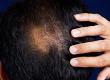
Although most types of alopecia or hair loss can be explained by natural or unnatural causes, there are two types that as of yet have no known cause. Alopecia areata, a type of patchy hair loss that affects children and young adults, and alopecia universalis, a condition that results in the complete loss of hair on the scalp and body, cannot yet be explained. These conditions usually present a sudden onset and may be resolved naturally. In other cases, the condition can be treated with corticosteriods or hormone therapy, but sometimes the condition is resistant to treatment and the hair loss is permanent.
Seeking Medical Advice
No matter what the cause of your hair loss or alopecia it is best to Consult With A Doctor about the severity of your condition and your best options for treatment.
Business Energy With a Difference
If you are looking for business energy or need advanced solutions like remote energy monitoring, new supplies, downgrading or upgrading capacity, have a no obligation chat with Purely Energy.
I'm 13, and i have supposedly (not sure yet) had Alopecia, since July, 2012. It first started when i came back from the barbers. The hairdresser, noticed a huge bold patch at the back of my head, from where my hair ends,went up to, just a little bit above my ears, making it seem like an 'arch' . This was in the summer holidays, so i hoped that by the end, my hair would grow back and no one at school would see. I was wrong. Not a single, piece of hair grew back, not a piece of stubble. This worried me. About halfway through september, abit further to the left side of the back of my head, a new, smaller bold patch came, but at the same time, a little bit higher over my big 'arch' bold patch, another bold patch came, but much smaller. I realised i had some kind of hair problem. I've been to the doctors, about it few times, and they tell me the same old stuff. "Stay Positive" "Eat thing with lots of iron" "Take this steroids cream. I applied a steroids cream, on the 'arch' since july until the beggining of September. It was useless. Then early October, a new bold patch came, at the front of my hair. I panicked. People at school were pointing out the big 'arch' which really made me conscientious. It also got me in trouble in class, say i was sat at the front of the room, i twisted round so people wouldn't see, i got in trouble a few times, for having my feet on a chair, if it was to tight to turn. Everytime time someone pointed it out, i felt like a little part of me crumbled away.i was horrified. I'd give the same excuse, "Oh, the hairdresser, cut it wrong" , i thought (and still think) that people will think im a freak. And today... even today, nothing has grown back, and just 15 minutes ago, i found out i have another bold patch, on the top. I can't cope, and the stress is horrible. Please help..
Ed - 7-Nov-12 @ 10:06 PM
Ka,
I'm thinking that i'm having the similar situation like yours right now. Had a fever which lasted nearly a week 3-4 months earlier.May I know how much time does it take to grew back for you.. I'm feeling so sick when i do combing and washing my hair. tq
elly - 5-May-12 @ 6:36 PM
I don't know if this will help some people, but a few years back I suddenly started losing hair at an alarming rate. Every time I brushed my hair I felt sick. Each time, after bathing or showering, I had to clear the plug hole. My pillow was full of hair in the mornings. I went to my doctor who didn't help at all (no surprise there!). Finally I started reading on the internet and came across this very small article about how people can sometimes lose hair after having a fever for 3days or more, 3-4 months prior to the hair loss. I did have fever three months earlier which lasted more than 3days( I was able to checked back the precise date as I had time of work). A few weeks after reading the article I looked at my hairline above my forehead and could see my hair growing back again. Eventually it all grew back. I know this won't be the reason for most cases of hairloss, but hopefully it may help in some cases.
Ka - 19-Mar-12 @ 11:37 AM
ive had it since i was in my late twenties. its getting to a point where i only have hair at the nape of my neck....its sad. i eat a lot of greasy foods, and ive tried stopping to see if that helps but it doesnt.so i'd rather eat what i want, be happy and wear a hat to cover my almost bald head...30 F
jill - 5-Nov-11 @ 5:55 AM
I've recently been dignosed with alopecia areata and I'm constanstly checking my patches I have 1 big one atr the back of my head and 2 more in the middle of my head there all able 2 be covered but its been so difficult I'm not gonna lie. I never thought I would ever have somthing like this. I think its growing back (hopefully) but best thing to do is not stress about it and carry on being a mum 2 my 7month lil girl. X