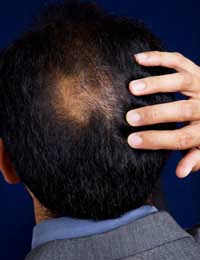
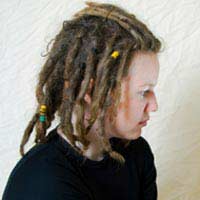
Advice on Hair Loss and the Potential Remedies

Welcome to Hair Loss Expert. This site is designed to help you understand and cope with hair loss. It's aimed primarily at people who are going through the experience of losing their own hair, but it can also help you to identify and deal with hair loss problems in your loved ones. It contains useful information on a range of different hair loss conditions, together with advice on how you can look after remaining hair and make the most of what you have.

Losing your hair can be a traumatic experience. Hair Loss Expert is here to guide you through it step by step and help you explore your options. The more you understand, the better placed you will be to deal with your personal situation.

1. What Causes Hair Loss?

Hair loss can be caused by a wide range of different conditions. Almost everybody's hair gets thinner as they age and for many people that leads to partial baldness. Some people are genetically predisposed to begin losing their hair earlier in life.

Hair loss can also be caused by illness, so if you start losing your hair suddenly or it starts falling out in patches, you should talk to your doctor about it. Sometimes hair loss can also be caused by treatments for illness, including some chemotherapy drugs. Your doctor should warn you when this is a risk so that you can prepare yourself for it.

This site can help you to work out what type of hair loss condition is affecting you. It can also help you to examine environmental factors that may be making it worse. Sometimes simple changes in lifestyle can dramatically alleviate hair loss problems.

2. How Can Hair Loss Be Treated?

Some types of hair loss condition can be treated very effectively if they are diagnosed quickly. This site can help you to explore treatment options and decide what's right for you. Because this is an independently run site you can rely on reviews of different hair loss treatments being free from commercial bias. Both good and bad points are explored.

If you have a hair loss condition that can't be treated and want to keep your hair for as long as possible, there's helpful advice here on looking after your hair. People with thinning or fragile hair often have special hair care needs so it's a good idea to familiarise yourself with these. You can also stay informed about scientific developments that might lead to effective treatment for your condition in the future.

3. How Can You Conceal Hair Loss?

When hair begins to thin, many people's first thought is to look for a wig. This site can help you to choose the right wig for you, but it can also guide you through other options. Sometimes a small toupee or hair patch can cover a bald area far more easily. Sometimes new styling tricks are all you need to make your own hair look good again.

For some people, specific religious or cultural issues can complicate dealing with hair loss. You'll find some of these explored on this site, with advice about how you can change your habits to protect your hair without violating taboos. There's also help with styling for people who want to wear their hair in traditional ways without putting it under excess strain.

4. How Should You Care for Your Hair and Scalp?

Loose or fragile hair needs extra care and this site can guide you through the best ways to look after it. There's helpful advice for people with itchy or painful scalp conditions that make it difficult to use ordinary hair care products. You'll find useful information to help you with the basics - how often you should wash your hair, how you should brush or comb it, and what hair care techniques you should avoid.

If you're going bald for the first time, you'll need to think about how to care for your scalp - how to protect it from the elements and keep it in good condition. A well cared-for scalp can look attractive just like well cared-for hair. A poorly cared-for scalp can place you at risk of infection or lasting skin damage. This site guides you through the different things you'll need to consider.

5. Dealing with Reactions to Hair Loss

Losing your hair is never easy and other people's reactions can sometimes make it worse. This site offers advice on how to talk about your hair loss problem with friends and family members. It looks at the relationship stresses that can result from personal stress and changed appearance, and helps you think about how to deal with them.

Hair loss affects people differently at different stages in life. There's advice here on how young people can cope with bullying, build confidence and find an image that works for them. There's advice on how to help children with hair loss. You'll also find several articles specifically aimed at women who don't want their hair loss to stop them feeling feminine.

6. Hair Loss and Health

Sometimes hair loss is just one symptom of a more complex medical condition. This site explores a number of illnesses that involve hair loss and looks at solutions that can fit in with wider treatment protocols. Don't dismiss your hair loss as a trivial problem compared to other aspects of illness. Self image is important and feeling good about yourself can make it much easier to cope with other problems.

General practitioners are not always familiar with complex hair loss conditions. This site shows you how to monitor your own symptoms and make it easier for your doctor to work out what's going on. If the problem persists you can ask for a referral to a dermatologist. There is help available on the NHS for hair loss problems and you may even be eligible for NHS help to get a wig.

7. Natural Solutions

Although it's always a good idea to ask your doctor for advice if you're losing your hair, you won't always be able to find a treatment that you want to use. Fortunately there are many natural products you can use to look after your scalp and improve the condition of your hair. This doesn't need to cost you lots of money. Many can be made at home using ingredients from your local greengrocer. This site shows you how.

Many hair loss conditions are caused by poor diet or by general health problems that are easy to fix with exercise. This site can help you to identify vitamin deficiencies and change your eating habits to correct them. It can also help you explore the ways that stress may be contributing to your problem, and help you break out of the vicious circle that can develop when hair loss makes that stress worse. Drinking enough water is also important to maintaining a healthy head of hair.

8. Coming to Terms with Hair Loss

When there is no solution to hair loss, or when it's going to take a while to set things right, you need to find ways of adjusting to your new appearance and feeling good about yourself the way you are. Articles on this site explore the ways that individuals have taken a positive approach to going bald. You can also see how bald celebrities have redefined popular standards of attractiveness, and how baldness has been admired in other cultures.

Losing your hair is often distressing and you will need time to grieve over your loss. It's important to make sure that your loved ones understand what you're going through and can provide you with support. They will have an adjustment to make too, but you can work through it together. Reading the articles on this site will show you just how common the problem is - you're not alone and you don't have to go through this in isolation.

9. Moving Forward

Whether your hair loss is temporary or permanent, it's bound to have a big impact on your life. Understanding what's happening can give you a greater sense of control and help you feel more confident. Losing your hair doesn't mean you have to see yourself as old and past it. Lots of people lose their hair quite young but go on to lead fulfilling lives. It's all about learning to feel comfortable with the new you.

This site contains everything you need to know to work your way, step by step, through the process of adjusting to hair loss. If you don't find what you're looking for, you can always ask a question. New material is added all the time, so it's worth checking regularly if you want to read more. Scientific understanding of hair loss is constantly growing and there are lots of exciting new treatments in development, so no matter how you may feel now, the future's looking bright.

Popular Articles...
Can Scalp Massage Stimulate Hair Growth
CAN SCALP MASSAGE STIMULATE HAIR GROWTH: Massage the act of kneading rubbing and putting pressure on the skin with your fingers and hands...
Causes of Hair Loss in Women
CAUSES OF HAIR LOSS IN WOMEN: Hair loss can be extremely difficult to accept and deal with especially for women. However, if you...
Causes of Losing Body Hair
CAUSES OF LOSING BODY HAIR: While the loss of hair from the scalp – hair thinning, male pattern baldness, a receding hairline, and...
Our Categories...
Ask Our Experts
Ask Our Experts: Could Water Change Cause My Hair to Fall Out?, Why Has My Hair Grown...
Case Studies
Case Studies: I Lost My Hair to Cancer: A Case Study, Hair Loss and the Media: How...

Causes of Hair Loss
Causes of Hair Loss: Seasonal Hair Loss, Sikh Men and Hair Loss,...
Coping with Hair Loss
Coping with Hair Loss: Asking Your Doctor About Hair Loss, Bald and...
Hair Loss Basics
Hair Loss Basics: Causes of Corkscrew Hair, Hair Loss: A Hidden Epidemic, Inflammation...
Healthy Hair
Healthy Hair: Ageing and Hair Changes, Caring for Brittle Hair, Hair Treatments to...

Treating Hair Loss
Treating Hair Loss: Can Vitamin Supplements Prevent Hair Loss?, Scalp Reduction Surgery,...

Wig Help and Advice
Wig Help and Advice: Wigs and Allergies, Hair Integration Pieces, Hair...
Women & Hair Loss
Women & Hair Loss: Hair Loss and Thyroid Problems, Causes of Hair Loss in Women, Hair...
Our Quick Links
Most Popular...
Add to my Yahoo!
Add to Google
Stumble this
Add to Twitter
Add To Facebook
RSS feed
You should seek independent professional advice before acting upon any information on the HairLossExpert website. Please read our Disclaimer.