Causes of Hair Loss
Medical and lifestyle factors that contribute to hair loss in men and women. Articles examine pattern baldness, alopecia types, genetic factors, health conditions and environmental triggers.
Ageing and Hair Loss
As you age, your hair grows more slowly and replacement slows down, causing gradual and sometimes permanent hair loss.

Alcohol and Hair Loss
Heavy drinking can trigger hair loss by disrupting your hormones and depleting nutrients your hair needs to grow.
Anaemia and Hair Loss
Anaemia can cause hair loss by depriving your body of oxygen and nutrients—here's how to spot the connection.

Body Building and Hair Loss
Heavy lifting raises testosterone levels that trigger hair loss in bodybuilders, and the damage is often permanent.

Can Hair Care Products Cause Hair Loss?
Some hair products can actually cause hair loss if they're not right for your hair type, but you can prevent this by choosing carefully.
Can Hair Loss Be a Sign of Other Ailments?
Sudden hair loss might signal an underlying health problem, so see a doctor to rule out serious conditions like malnutrition or illness.

Can Surgery Cause Hair Loss?
Hair loss after surgery is usually temporary and stress-related, but there are ways to manage it.
Cancer and Hair Loss
Hair loss from cancer treatments can hurt your confidence, but understanding what causes it helps you manage this side effect.
Causes of Losing Body Hair
Body hair loss can happen for several reasons, from temporary thinning to permanent baldness in different areas.

Causes of Temporary Hair Loss
Temporary hair loss can result from medical conditions, treatments, and medications, but you can take steps to protect your hair health during these periods.
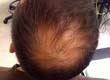
Diabetes and Hair Loss
High blood sugar can trigger hair loss through metabolic changes, poor nutrition, and circulation problems, here's what you need to know.

Diet and Hair Loss
Not eating enough or making extreme diet changes can trigger hair loss because your body isn't getting the nutrients it needs.

Dreadlocks and Hair Loss
Dreadlocks can cause permanent hair loss if done wrong, here's how to protect your scalp and keep your hair healthy.
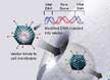
Genes and Hair Loss
Hair loss runs in families because of genes passed down through your parents, but inheriting the genes doesn't guarantee you'll go bald.

Hair Dye Allergies and Hair Loss
Hair dye can trigger allergies that cause hair loss through scalp irritation and itching, here's how to spot the signs.

Hair Loss and Smoking
Smoking 20+ cigarettes daily significantly increases your risk of hair loss by restricting blood flow to hair follicles.

Hair Loss Linked to Tooth Infections
Tooth infections may trigger hair loss by causing white blood cells to attack hair follicles, according to new research.

Hereditary Hair Loss
Hair loss runs in families and is caused by genetics and DHT sensitivity, affecting men and women differently as they age.
Infant Hair Loss
Infant hair loss is common and usually temporary, but here's what causes it and when to worry.
Lupus and Hair Loss
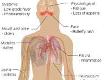
Nearly half of people with lupus experience hair loss—here's why it happens and what might help.

Medication That Causes Hair Loss
Many common medications beyond chemotherapy can trigger hair loss, including birth control and antidepressants.
Piedra and Hair Loss
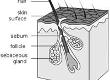
Piedra is a fungal infection that damages hair and causes breakage and patchy hair loss, here's how to spot it and stop it.
Poisoning and Hair Loss
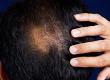
Sudden hair loss can signal poisoning from carbon monoxide, warfarin, or other toxins, seek medical help immediately.

Pollution and Hair Loss
Air pollution and pesticides can trigger hair loss, and here's how to protect your hair from environmental damage.

Radiation and Hair Loss
How radiation damages hair follicles and what to expect if you're experiencing hair loss from treatment or exposure.
Ringworm and Hair Loss
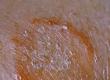
Ringworm is a fungal infection that causes scalp hair loss and can be caught from other people or pets, but early treatment helps prevent lasting damage.
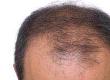
Scalp Damage and Hair Loss
How scalp injuries can trigger hair loss and what you can do to protect your hair during recovery.

Seasonal Hair Loss
Your hair naturally sheds more in certain seasons, just like animals do, and here's how to tell if that's what's happening to you.

Sikh Men and Hair Loss
Hair loss affects many Sikh men, but losing hair naturally isn't shameful under Sikh teachings about keeping kesh.

Stress and Hair Loss
Stress can trigger temporary hair loss by pushing follicles into a resting phase, causing shedding months after the stressful event ends.

Types of Alopecia
Hair loss comes in different types, each with its own cause and whether it's temporary or permanent.
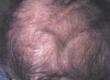
Understanding Hypotrichosis Simplex
Hypotrichosis simplex is a rare genetic hair loss condition that often goes misdiagnosed, causing ineffective treatment in affected children.

What Causes Alopecia?
Hair loss can stem from ageing, genetics, disease, or other medical conditions, and doctors diagnose it based on its specific cause and pattern.
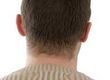
What Causes Male Pattern Baldness?
Male pattern baldness happens when genes and hormones cause hair to thin, usually starting in your 30s and following a predictable pattern.
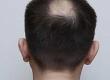
What Is Alopecia?
Alopecia is hair loss ranging from slight thinning to complete baldness, with over nine different types each having distinct causes and characteristics.
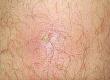
What Is Folliculitis
Folliculitis causes swollen, infected hair follicles that itch and can lead to hair loss, but most cases clear up within a couple of weeks.
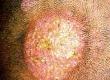
What Is Kerion Celsi?
Kerion celsi is a serious scalp infection that can develop from untreated ringworm and cause permanent hair loss if left unchecked.

What Is Male Pattern Baldness?
Male pattern baldness differs from normal hair loss because it follows a specific pattern and is often hereditary, affecting over 95% of men with hair loss.

What Is Trichotillomania?
Trichotillomania is a psychological condition that compels people to pull out their hair, and it's not just a habit they can stop.